
Dear New KC7 Player,
Welcome to KC7. We’re glad you’re here.
Starting your cybersecurity journey can feel exciting and overwhelming all at once. You might be wondering if you’re good enough, if you’ll get stuck, or if you’ll ever be ready for a “real” role. The truth is—those feelings are normal. Everyone who’s now experienced once stood exactly where you are: unsure, but willing to try.
We built KC7 to help you with that.
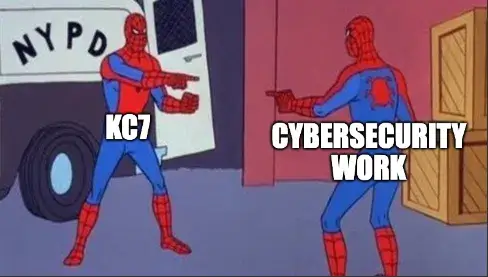
It’s a place to practice being an investigator: spotting patterns in logs, piecing together what attackers are doing, and telling the story clearly. Those are the same skills you’ll use every day in cybersecurity roles like SOC analyst, incident responder, or threat hunter.
Why KC7 Feels Different
At first, KC7 may feel unconventional. Most people think of cybersecurity learning as certifications, bootcamps, or textbooks. Those paths are valid, but they often teach you about cybersecurity instead of letting you do cybersecurity.
KC7 flips that around. Instead of memorizing definitions, you investigate real-world intrusions. Instead of watching slides, you chase attacker behaviors across logs. It’s learning by doing—failing, trying again, and piecing together the story like an analyst would on the job.
And here’s the surprising part: when you learn this way, it’s much faster. You’re not starting from scratch; you’re building on the curiosity and problem-solving skills you already bring to the table. The technical details come later, and they stick better because you’ve already seen how they fit into the bigger picture.
That means when you sit in an interview, you can confidently say: I’ve already investigated dozens of simulated intrusions. I know how attackers pivot. I know how to follow breadcrumbs. I know how to write a clear report. That’s real experience—often more than some entry-level roles provide.
How to Get the Most Out of KC7
- Don’t stress about rankings. Whether you see yourself as a beginner or advanced doesn’t matter here. What matters is what you take away from each case.
- Take notes. Write down key observations, track the timeline, and practice telling the story behind the attack. These habits are just as important as entering answers for points.
- Reflect after each module. Ask yourself: What new behavior did I notice? What gave me trouble? What made me curious to dig deeper? That reflection is where the real growth happens.
- Take your time. Start with easier cases. Build repetition before tackling harder ones. By the time you reach advanced modules, you’ll have the muscle memory to handle tougher pivots.
- Treat failure as practice. You will get stuck. You will get things wrong. That’s part of the process. Every stumble is training your investigative eye.
You Will Get Better
As you play through the game, you’ll start to notice patterns in how we ask questions. That’s on purpose—we’re modeling the investigative process. At first, the questions guide you closely. But as the modules get harder, we step back and ask less.
The goal isn’t just for you to answer our questions, but to begin forming your own: What else looks out of place? What should I check next? Where does this breadcrumb lead?
The advanced modules won’t always hold your hand. Sometimes you’ll need to make your own pivots or answer another question before circling back. That’s intentional. It mirrors real investigations, where you rarely have a neat roadmap.
If you find yourself frustrated, try this:
- Collect everything that looks out of place.
- Use those pieces to guide your next step.
- Watch for patterns to emerge.
And if it still doesn’t click? Step away. Come back later with fresh eyes. Or jump to another question and return later. That’s how investigators really work.
The Power of Community
One of the best parts of KC7 is that you’re not in this alone.
Cybersecurity is a team sport, and KC7 reflects that. Learning together—getting stuck, talking it out, comparing notes—is often more valuable than finding the “right” answer.
Here’s the secret: if you’ve done the work, it is experience. In many cases, you’ll gain more hands-on practice here than in a real job.
But even beyond skills, you’ll find people. Many of us can trace friendships, mentorship, and even our first job opportunities back to the KC7 community. If you’re able, we encourage you to join our Discord server, share your thought process, and help others who are where you once were.
Final Thoughts
We built KC7 because we believe everyone deserves a fair shot at a career in cybersecurity. This is your chance to explore what it feels like to be on the blue team and decide if it’s something you enjoy.
If it is, then the only thing standing between you and success is how much time you’re willing to put in. You don’t need to be perfect. You don’t need to have it all figured out. You just need to keep showing up, asking questions, and trying again.
We’re rooting for you.
With encouragement, The KC7 Team